Full Open Valve vs. 4 Web Valve: Choosing the Right Style for Your Pump

Every part of your mud pump matters when you’re running high-pressure drilling operations. Valves play one of the biggest roles in keeping things running smooth. They control flow, manage pressure, and help your system handle tough drilling conditions.

When it comes to mud pump valves, two main designs stand out: the full open valve and the 4 web valve. Each has its own benefits, depending on what kind of work you’re doing and the type of mud you’re pumping. Picking the right style affects how long your equipment lasts, how efficient your system runs, and how much downtime you deal with.

Understanding Full Open Valves

A full open valve is built to give you the most flow possible with the least resistance. The valve body is usually made from single piece alloy steel, giving it strength and a long service life even in high pressure drilling operations.

Here’s what makes a full open valve stand out:

  • Large open position for smooth mud flow
  • Valves are designed to reduce pressure drop
  • Great for high pressure and high flow mud pump setups
  • Ideal when efficiency and quick pressure recovery matter most

Understanding 4 Web Valves

A 4 web valve has a cross-shaped design that adds support and balance. This setup helps the seat and valve body stay aligned during heavy use. It’s built to handle more abrasive drilling conditions, where strength and durability are key.

Here’s what makes a 4 web valve a solid choice:

  • Extra strength from the cross support design
  • Better seat alignment for longer service life
  • Designed for the oil and gas industry where reliability counts

Comparing Full Open vs. 4 Web Valves

Both valve types perform well, but they shine in different situations. The best choice depends on your mud pump, flow rate, and the kind of mud you’re circulating.

Feature Full Open Valve 4 Web Valve
Flow Efficiency Maximum flow, low pressure drop Slightly reduced flow due to web supports
Durability Strong, better for high solids Excellent strength for abrasive muds
Pressure Handling Great for high pressure drilling operations Handles pressure well with added stability
Maintenance & Cost Simple design, easy to service Longer lifespan, lower wear rate

Choosing the Right Valve for Your Mud Pump

To get the best results, you’ll want to match your valve and seat to your drilling conditions, mud properties, and temperature range. Each valve design has a purpose, whether it’s maximizing flow or extending service life.

Keep these factors in mind when choosing between types of valves:

  • Pump type and flow rate
  • Mud temperature (up to 350°F)
  • Abrasiveness and solids in drilling mud
  • Maintenance schedule and replacement goals

Mud King’s Product Range

Mud King Products offers full open, 3 web, 4 web valves and seats. Each valve and seat is engineered for high performance, compatibility, and long service life. Available in API 4 through 8 sizes, these mud pump valves fit all major pump models and handle the toughest drilling conditions and mud properties with ease.

Frequently Asked Questions

Why are there different valve designs for mud pumps?

Different drilling environments require different valve strengths, flow capacities, and wear resistance. For example, high-pressure wells benefit from full open valves because they allow maximum flow with minimal pressure drop, while 4 web valves are built for abrasive muds where extra durability is needed.

How often should mud pump valves and seats be replaced?

Replacement frequency depends on your drilling conditions, mud type, and maintenance schedule. In high-pressure or abrasive operations, it’s smart to inspect valves and seats regularly and replace them at the first signs of wear to prevent costly downtime.

Can I mix valve and seat designs from different manufacturers?

It’s not recommended. Valves and seats are precision components designed to work as matched sets. Mixing brands or types can cause poor sealing, uneven wear, and reduced pump efficiency. Always use compatible parts designed for your specific pump model.

What’s the temperature range Mud King valves can handle?

Mud King’s valves and seats are designed for extreme conditions, performing reliably in temperatures up to 350°F. This makes them ideal for both shallow and deep drilling applications.

Can I reuse the old spring?

When installing a new valve and seat, a new spring should always be installed. Springs lose their stiffness over a number of compressions. A weaker spring can cause valve hammering and can damage the valve and seat thereby reducing life substantially and potentially causing the seats to stick.

Choosing Full Open Valve vs. 4 Web Valve

Both full open valves and 4 web valves are reliable options for today’s demanding drilling environments. The full open design gives you top flow efficiency, while the 4 web design delivers unmatched strength and wear resistance. Choosing the right one ensures smoother performance and longer-lasting equipment.

As drilling equipment specialists in Houston, the focus is always on giving you parts that perform in the field. Every valve and seat is built to handle extreme conditions and keep your mud pumps running at peak performance.

Looking to improve your mud pump’s efficiency or durability? Contact us today to find the right valve setup for your operation.
Mud Pumps Common Problems & Troubleshooting Tips

Mud Pumps Common Problems & Troubleshooting Tips

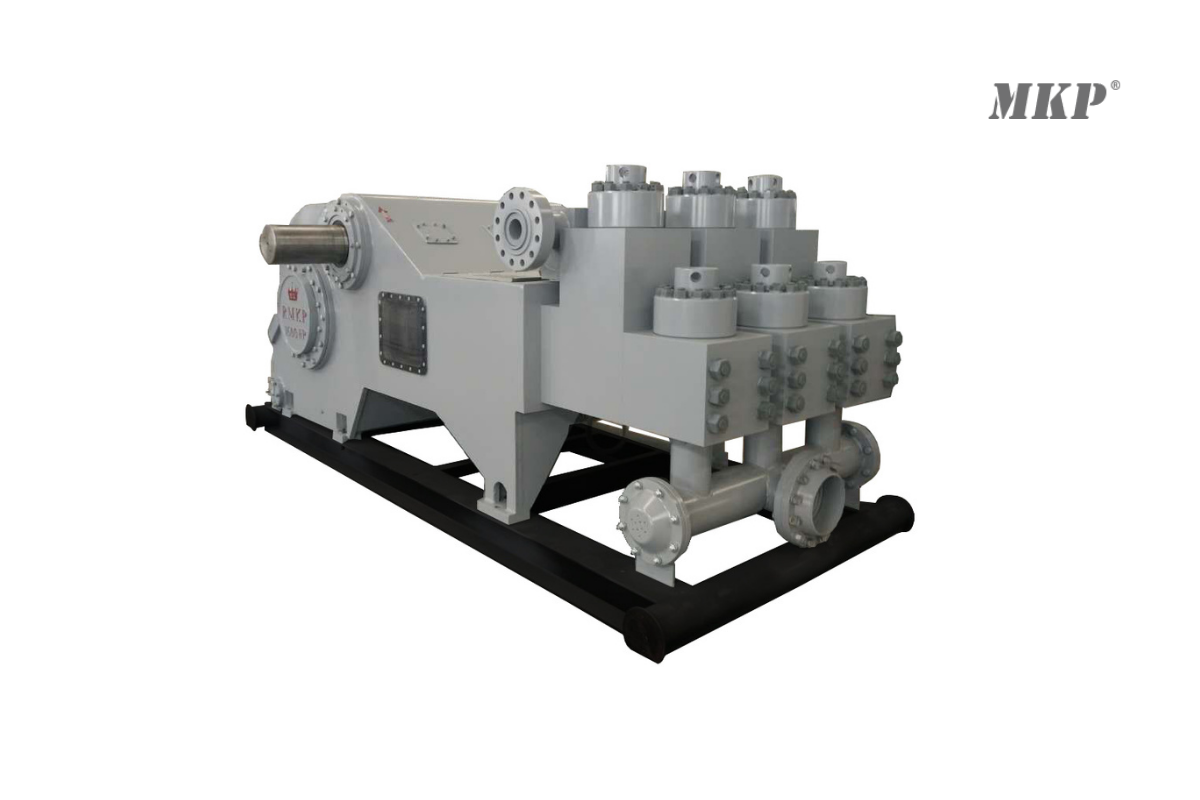
Mud pumps are a critical part of your drilling operation. They keep drilling fluid moving, maintain pressure, and help your rig perform efficiently. When mud pumps have problems, it can slow down drilling, raise costs, and create safety risks. This guide shares simple troubleshooting tips to help you find common issues early and keep your mud pumps working smoothly.

Understanding Mud Pump Performance

Reliable pump performance is essential for efficient drilling. Steady flow rates, even drilling fluid circulation, and consistent pump pressure help drilling stay fast and safe. Regular checks and maintenance reduce wear and tear, keeping mud pumps in good working condition. Staying proactive ensures your pumps work reliably in demanding environments.

Mud Pumps Common Problems

Mud pumps are key to keeping drilling running smoothly, but problems with them can slow work and lead to expensive downtime. Recognizing these common issues early allows for quick fixes and better long-term performance.

1. Loss of Pump Pressure

A drop in pump pressure can come from worn valves, leaking valve seats, or inconsistent drilling mud. When pressure drops, the pump must work harder to maintain flow, reducing efficiency and straining internal parts. If not corrected, this can lead to complete pump failure and unplanned downtime.

2. Excessive Wear and Tear

Drilling fluids often contain abrasive materials that wear down pump parts faster. Combined with harsh drilling conditions or poor maintenance, this wear can cause visible surface damage, uneven operation, and a shorter service life. Regular inspections and part replacements are key to avoiding costly repairs.

3. Fluid End Problems

The fluid end takes the most stress during drilling. Worn valves or pistons can reduce mud flow consistency and pressure stability. Operators may notice fluctuating flow rates or poor drilling fluid circulation, both signs that maintenance or part replacement is needed.

4. Overheating at High Pressure

Running at high pressures for extended periods can push components beyond their design limits. This overheating can weaken parts, accelerate wear, and lead to premature failure. Monitoring pressure levels and ensuring the pump is properly rated for the job can prevent damage and extend equipment life.

Practical Mud Pump Troubleshooting Tips

Regular checks and timely action help you prevent small issues from becoming costly failures. Use these steps to keep your mud pumps in top shape:

Problem Common Cause Quick Fix
Loss of pressure Worn expendables Inspect and replace worn parts, check mud consistency
Excessive wear Abrasive fluids, poor maintenance Regular inspection, replace worn components
Fluid end issues Piston or valve damage Check for cracks, pitting, or worn surfaces
Overheating Operating above pressure limit Monitor pressures, ensure pump rating matches application

Additional Tips:

  • Inspect pistons, liners, and valves regularly
  • Monitor flow rates and pressure for irregularities
  • Maintain consistent mud quality
  • Use high-quality replacement parts
  • Schedule regular inspections to extend service life

Best Practices for Preventing Mud Pump Issues

Preventing problems starts with a proactive approach. Following best practices helps your mud pumps last longer and work well in tough drilling conditions. Best practices include:

  • Prioritize regular maintenance as part of every drilling operation
  • Use high-quality components to withstand harsh environments
  • Monitor liner and valve wear to avoid expensive breakdowns
  • Train crews to recognize early warning signs and take immediate action

Frequently Asked Questions

How often should mud pumps be inspected?

Inspections should happen daily for high-use pumps and at least weekly for moderate use.

Can poor-quality drilling mud damage pumps?

Yes. Inconsistent or abrasive mud accelerates wear and reduces pump efficiency.

What’s the main cause of mud pump overheating?

Operating at high pressures beyond the pump’s rating for extended periods is the most common cause.

Where can I get replacement mud pump parts?

High-quality replacement parts are available through reputable drilling equipment suppliers.

Mud Pump Troubleshooting Tips

Effective mud pump care means finding problems early, doing regular maintenance, and using strong parts. Checking for wear and doing inspections helps stop breakdowns and keeps pumps working well.

As drilling equipment suppliers, our team helps operators get the parts and advice needed to keep mud pumps running smoothly. We help you keep your rigs running safely, reliably, and at peak performance.

Looking to keep your mud pumps operating smoothly? Contact our specialists today for expert advice and support.

What to Look for in Fluid End Modules & Parts

What to Look for in Fluid End Modules & Parts

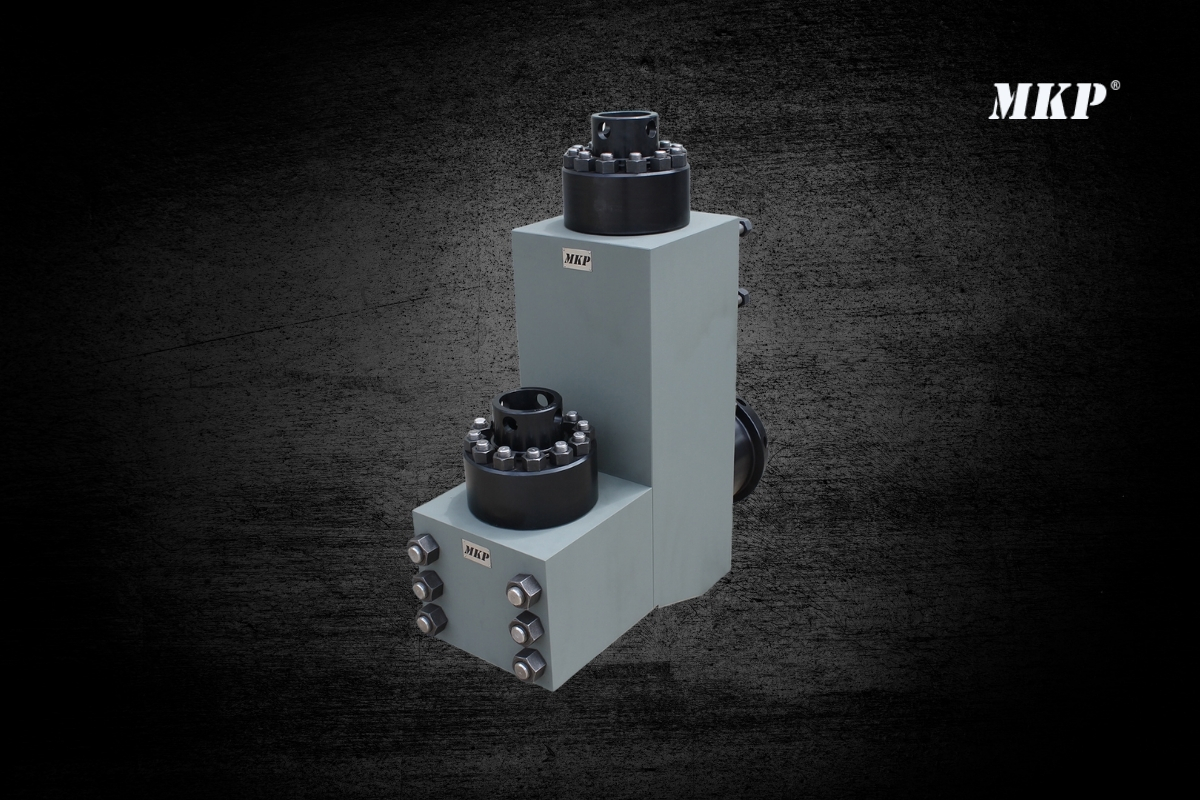
Fluid end modules form the core of a mud pump system. They drive drilling operations forward while keeping crews safe and equipment reliable. In oil and gas, performance is everything. 

One weak component can cause downtime, lost production, and costly repairs. Selecting high-performance parts is essential for consistent flow rates and withstanding high pressures. 

Let’s break down the key factors to look for when choosing fluid end modules. We’ll include material quality, pressure performance, compatibility, durability, and compliance with industry standards.

Material Quality & Heat Treatment

The strength of a fluid end module starts with the material it’s made from. High-quality alloys are vital to withstand harsh drilling environments. Exposure to abrasive fluids, extreme temperatures, and heavy loads is the norm. Substandard metals wear quickly, leading to cracks, leaks, and unplanned downtime.

Alloy Selection

Fluid end modules built from high-quality alloys provide superior resistance to wear. These alloys maintain structural integrity under high-pressure loads. This extends the working life of the pump and reduces the frequency of part replacements.

Wear Resistance

The constant movement of abrasive fluids puts strain on fluid end components. Alloys with high wear resistance reduce erosion and surface damage. This helps maintain flow efficiency and prevents performance decline during extended drilling runs.

Stress Cracking Prevention

Heat-treated alloys provide added durability by strengthening the material structure. Proper heat treatment reduces the risk of stress cracking and fatigue failures. It keeps fluid end modules reliable through repeated high-pressure cycles.

Performance Under High Pressure

Mud pump systems face extreme conditions. Using the right high-pressure parts is critical for safe and efficient operations. Key benefits of choosing pressure-rated fluid end parts include:

  • Parts designed for high pressure protect against sudden breakdowns
  • Consistent performance reduces unplanned downtime
  • Pressure-rated components improve pump efficiency under continuous use
  • Reinforced strength ensures safer drilling operations
  • Compatible with land and offshore drilling rigs
  • Reliable manufacturers like Gardner Denver set the standard for performance
  • High-pressure parts maintain flow stability in demanding conditions

We offer a complete line of interchangeable fluid end modules and accessories for triplex mud pumps, available in both 5000 psi and 7500 psi configurations. These fluid ends and components are compatible with OEM systems such as National, Emsco, Gardner Denver, Bomco, Ideco, and Oilwell.

Every part is built to the highest quality standards for top performance and long-lasting durability. Both standard OEM-style replacements and two-piece “L”-shaped fluid ends are available to meet specific operational needs.

Compatibility with Pump Systems

Not all fluid end parts are interchangeable. Using components that match your mud pump model ensures smooth and trouble-free operation. Here’s why proper compatibility matters:

  • Designed to fit major mud pump models without modifications
  • Off-spec parts increase the risk of mechanical failures
  • Proper alignment ensures longer pump life
  • Correct fit supports optimal fluid flow and pressure balance
  • Easier installation saves time during maintenance
  • Keeps pumps compliant with manufacturer specifications

Durability Against Stress Cracking

Mud pump parts are under constant stress. Selecting durable components helps prevent failures and extends pump life. Key advantages of high-quality, fatigue-resistant parts include:

  • Stress cracking is a common problem with poor-quality materials
  • Durable parts resist fatigue and extend service life
  • Frequent inspections identify wear early
  • Heat-treated alloys reduce cracking and corrosion risks
  • High-quality parts prevent unexpected leaks or breakdowns
  • Extending part life reduces replacement costs over time
  • Consistent durability improves overall drilling reliability

Meeting Industry Standards

Following oil and gas industry rules is very important for fluid end modules and parts. These rules make sure the parts are made, tested, and certified to be safe and work well. Using parts that don’t meet these rules may save money at first, but can cause big problems, like system failures or safety accidents.

Certified parts are built to be strong, reliable, and consistent. They can handle the tough conditions of oilfield work and help prevent serious breakdowns. Certified suppliers keep your operation following the rules, protecting your workers and equipment. 

In oilfield work, safety and uptime are both critical. Using parts that meet or exceed standards is the best way to keep your job running smoothly and protect your investment.

Fluid End Modules & Parts for Reliable Operations

Picking the right fluid end modules and parts means thinking about four key things. Consider strong materials, high-pressure performance, proper fit, and meeting industry rules. Good-quality parts help mud pumps last longer, work better, and keep drilling running smoothly.

As oilfield equipment experts, we provide durable fluid end parts that keep drilling safe and cost-effective. Using the right parts for the job helps reduce downtime and get the most out of your equipment.

Need dependable fluid end modules and parts that meet top standards? Contact us for help picking the right parts for your operation.

Rubber vs. Urethane Pistons: Understanding the Differences

Rubber vs. Urethane Pistons: Understanding the Differences

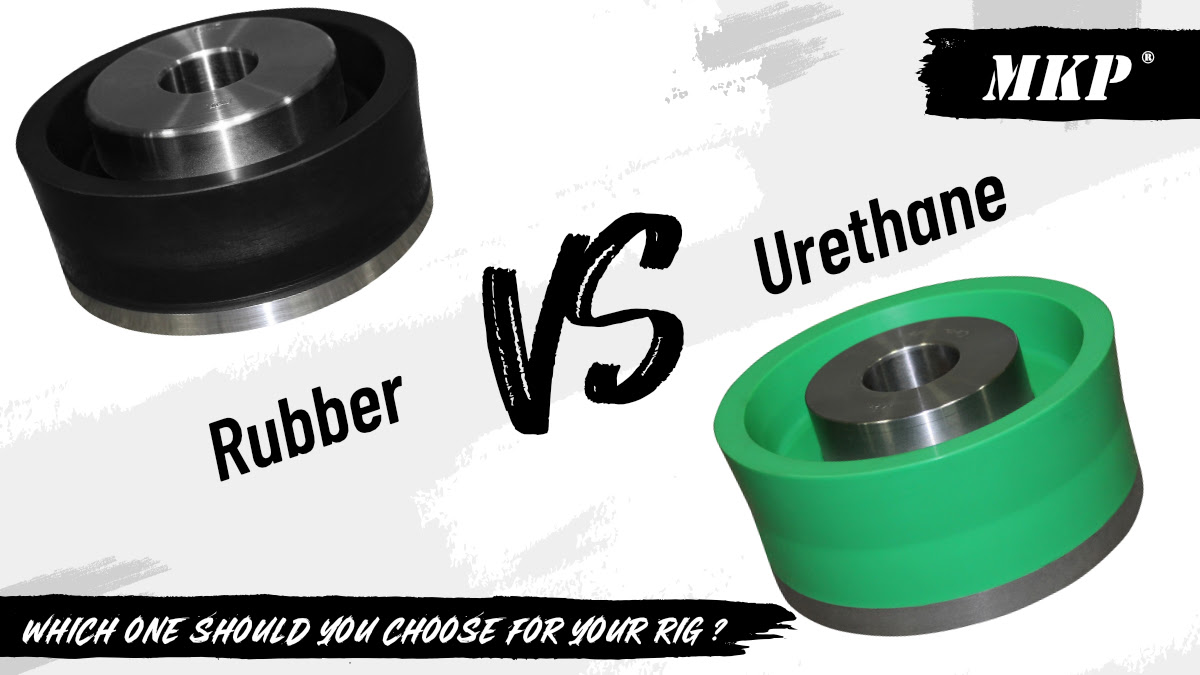
You know how critical pistons are in mud pumps. They keep drilling mud moving under high pressure, making them one of the most important mud pump expendables you’ll ever work with. The challenge is knowing which piston type works best for your rig. That’s why we’re breaking down Urethane vs Rubber and replaceable vs bonded; so you can compare, understand the differences, and choose the right fit for your drilling conditions. Each option is designed for tough environments, but each excels under different circumstances.

What Are Replaceable Rubber Pistons?

Replaceable rubber pistons are designed with a fabric heel and replaceable nitrile rubber head that mounts onto a reusable hub. They are not bonded, which means when the rubber wears down, you can replace it without changing the hub—as long as the hub itself hasn’t worn past the indicator mark. This makes them one of the most cost-effective piston options. Replaceable rubber pistons are widely used across land and offshore rigs because they balance reliability with budget control.

The benefits of rubber pistons include:

  • Strong, reliable sealing under pressure
  • Economical option with replaceable rubber heads
  • Proven performance in land and offshore rigs
  • Effective in a wide range of mud types
  • Easy replacement that minimizes downtime

What Are Rubber Bonded Pistons?

Rubber bonded pistons take performance a step further. Made of carboxylated nitrile rubber, they create one of the best seals available. This makes them especially useful in worn liners, where they help extend liner life and prevent costly leaks. Rubber bonded pistons are a smart choice when you need to squeeze extra life out of your equipment without sacrificing reliability.

The benefits of rubber bonded pistons include:

  • Superior sealing compared to other designs
  • Extends life of worn liners
  • Reduces risk of mud leakage

What Are Urethane Pistons?

Urethane pistons are built for strength and extended service life when used under the right conditions. The urethane-bonded design makes it especially effective in lower temperature ranges, often paired with ceramic liners for maximum efficiency. Known for their toughness, urethane bonded pistons also perform well in high-pressure.

The benefits of urethane pistons include:

  • Long service life under the right drilling conditions
  • Excellent performance with ceramic liners
  • Durable under high pressure
  • Consistent reliability in oil-based mud systems
  • Reduced downtime with fewer replacements

Rubber vs. Urethane Pistons: Make the Right Call

Both rubber and urethane pistons are engineered for high performance in drilling mud systems, but the right choice depends on your specific rig conditions. Rubber pistons are flexible, economical, and proven across many applications. Urethane pistons are built for durability in high-pressure applications, especially when paired with ceramic liners.

As oilfield equipment suppliers in Houston, we know every drilling operation has unique needs. Matching your piston type to your environment (temperature, mud type, and service expectations) ensures that your mud pumps stay efficient and dependable.

Do you need pistons that keep your operation running smoothly and safely? Contact us today to get a quote on high-performance mud pump expendables designed for your rig. If drilling in high-pressure, extreme conditions, ask us about our best-performing piston, the Cowboy XT Piston. 

If you would like to find out more about MKP, please download our corporate brochure here.

brochure